Enjoy 15% - 20% on All Styles
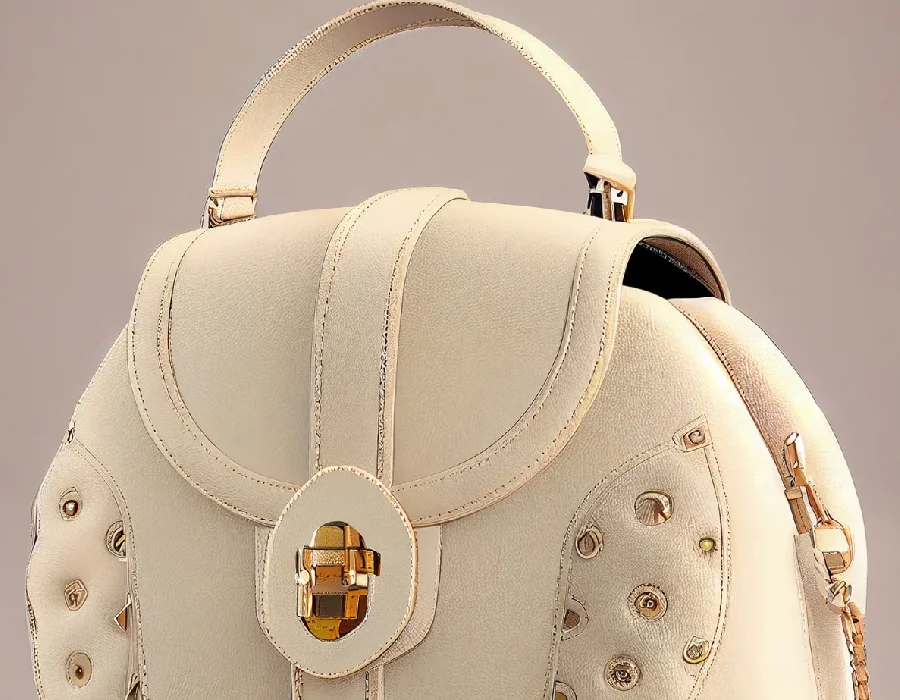
7 Signs You’re Buying a High-Quality Handbag Online.
We’ve all been there. You’re scrolling late at night, and a gorgeous handbag pops up on your screen. It looks sleek, the color is exactly what you need, and the price seems like a total steal.
You click “buy,” wait by the door for a week, and then, disappointment! What arrived feels like a cardboard, smells like a tire fire, and the ‘gold’ hardware is already peeling.
The thing is: finding a solid, well-made bag online doesn’t have to be a gamble if you know exactly what to look for before hitting that checkout button.
1. The Zoom-In Test: It’s All in the Edges
When you are shopping in a physical store, your hands do the work. Online, your eyes have to take over. High-quality bags aren’t shy about close-ups. Look for photos that show the edges of the leather or fabric.
On a well-constructed piece, the edges are typically finished with a “glazing,” a smooth coating that seals the raw ends of the material. If the photos are blurry or only show the bag from five feet away, the maker might be hiding messy, frayed edges.
Solid craftsmanship means every single corner is smooth to the touch, even if you’re only “touching” it with your eyes through a high-resolution screen.
2. The Stitching Tells the Story
If you want to know if a bag will last longer than a single season, look at the thread. Mass-produced, low-quality bags often feature straight, thin, and loose stitching that looks like it might unravel if you snag it on a zipper.
On the other hand, a piece built with skill often features slightly slanted, thick, and consistent stitches. This is frequently a sign of a “saddle stitch,” which is incredibly durable. Check the areas where the handles meet the body. Is there extra reinforcement?
Are there loose threads hanging off like spiderwebs? If the stitching looks like a disorganized mess in the promotional photos, imagine how it will look after you actually put your keys and phone inside.
3. Hardware That Has Some Weight
Thin, shiny plastic masquerading as metal is a hallmark of a flimsy bag. While you can’t feel the weight of the hardware through a laptop, you can look for visual cues. High-quality metal accents like buckles, clasps, and rings, usually have a soft and deep glow rather than a blinding mirror-like reflection.
Look for descriptions that mention “solid brass” or “stainless steel.” Also pay attention to the zippers. A reputable maker uses zippers that look substantial and have teeth that fit together like a puzzle.
If the zipper looks like it belongs on a pencil case rather than a sturdy tote, keep scrolling. You want hardware that functions as a structural element, not just a shiny decoration.
4. Natural Textures Over Plastic Sheen
Artificial materials have come a long way, but there is still a massive difference between a high-grade hide and a synthetic imitation. When looking at photos, check the “grain.” Real, high-quality leather has pores and slight variations. It looks like a natural skin because it is.
Cheap alternatives often look strangely uniform and have a plastic-like shimmer that reflects light in a harsh way. If the bag looks like it was popped out of a plastic mold, it probably won't age well. A solid bag develops a "patina" or a unique character over time.
If the material looks like it will crack the first time you take it out in the cold, it isn't worth your time.
5. The Lining Is Not an Afterthought
Many people tend to forget to look at the inside of the bag, but the interior reveals the true standards of the maker. A flimsy bag usually features a thin, polyester lining that feels like an umbrella and crinkles loudly when moved.
These linings often tear at the seams within months.
A bag worth owning will have a lining made of sturdy cotton twill, suede, or even the same material as the exterior.
Look for photos of the interior pockets. Are they reinforced? Does the lining sit flush against the outer shell, or is it a baggy loose mess?
A maker who spends time ensuring the inside looks as good as the outside is a maker you can trust.
6. Transparency in the "About" Section
Where was the bag made? Who made it? What is the story behind the workshop? High-quality brands are usually very open about their process. They want to tell you about the tannery they use or the specific region where their artisans work.
If the website is vague, using generic phrases without giving any real detail about the origin of the materials, take that as a red flag.
True quality comes from a place of pride. If they aren’t proud enough to show you how the bag is constructed, there is likely a reason for that silence.
Look for brands that talk about their craft in a way that feels human and grounded, rather than just using a bunch of marketing buzzwords.
7. The Weight of the Reviews (The Real Ones)
Don’t just look at the star rating. Read the words. Buyers who appreciate quality will often mention things like the scent of the material, the “heft” of the bag, and how it holds its shape when empty.
If a bag is “cheap,” the reviews will often mention that the color rubbed off on their clothes, the strap broke, or it had a chemical smell. A high-quality piece will gather comments about how it looks even better in person than in photos.
Also, look for photos uploaded by customers. These “real life” shots are the ultimate truth-tellers. If the bag still looks structured and elegant in a grainy smartphone photo taken in a living room, you’ve found a winner.
Why Settling for Less Costs More
It is tempting to go for the lower price tag, especially when trends change so quickly. But there is a hidden cost to buying poorly made items.
A bag that falls apart in three months isn’t a bargain; it’s a headache. You end up back online, searching for a replacement, spending more of your time and effort.
Choosing quality is about finding a companion for your daily life. It’s about a strap that won’t dig into your shoulder because it was designed with the human body in mind.
It’s about a zipper that won’t get stuck when you’re in a rush. When you hold a well-made bag, you can feel the intention behind it. It has a balance and a presence that a mass-produced, flimsy version simply cannot mimic.
Finding Your Signature Piece
Your style is a reflection of your standards. When you carry a bag that was built to last, it shows. You don’t need a giant logo to prove you bought something worthwhile; the way the material hangs and the way the light hits the hardware says it all.
Online shopping doesn't have to be a "fingers crossed" experience. By focusing on these seven signs, you turn into a savvy scout who knows how to spot true value in a sea of replicas.
You aren't just buying an accessory; you are selecting a piece of craft that will stay by your side through commutes, coffee dates, and travels.
Final Thoughts
Next time you find yourself eyeing a new bag, take a breath and go through this checklist. Zoom in on those stitches, look for the weight in the hardware, and read between the lines of the product description.
True quality doesn't need to shout; it just needs to be built right. You deserve a bag that works as hard as you do and looks good doing it.